
The Art of Cozy: Interior Design Tips for Creating Your Perfect Relaxation Retreat at Home
Your home should restore you, not just house you. Discover simple, budget-friendly interior design tips to create your perfect cozy retreat.
Please note that this blog post provides general information only and does not constitute professional advice. Should you make a purchase through an affiliate link in this post, I may earn a small commission at no extra cost to you.
One afternoon. A few intentional changes. A corner of your home that finally feels like the exhale you’ve been looking for all week.
For many of us, home is the place we manage rather than the place we restore. We keep it running, keep it organised, keep it presentable — and somewhere in all of that, we forget to make it restorative. Not for everyone else. For us.
The good news is that creating a space that genuinely recharges you doesn’t require a renovation, an interior designer, or a significant budget. It requires something far more manageable: a little intention and an understanding of what actually makes a space feel good to be in.
In this article, we’ll explore:
- What “cozy” really means — and why it looks completely different for everyone
- The science behind why certain spaces calm us and others keep us on edge
- The home décor ideas that create instant warmth and atmosphere
- Simple, budget-friendly changes you can make this weekend
- How to personalise your retreat so it truly reflects what rest means to you
Your home can be your sanctuary. Let’s create it together.
What “Cozy” Actually Means (And Why It Looks Different for Everyone)
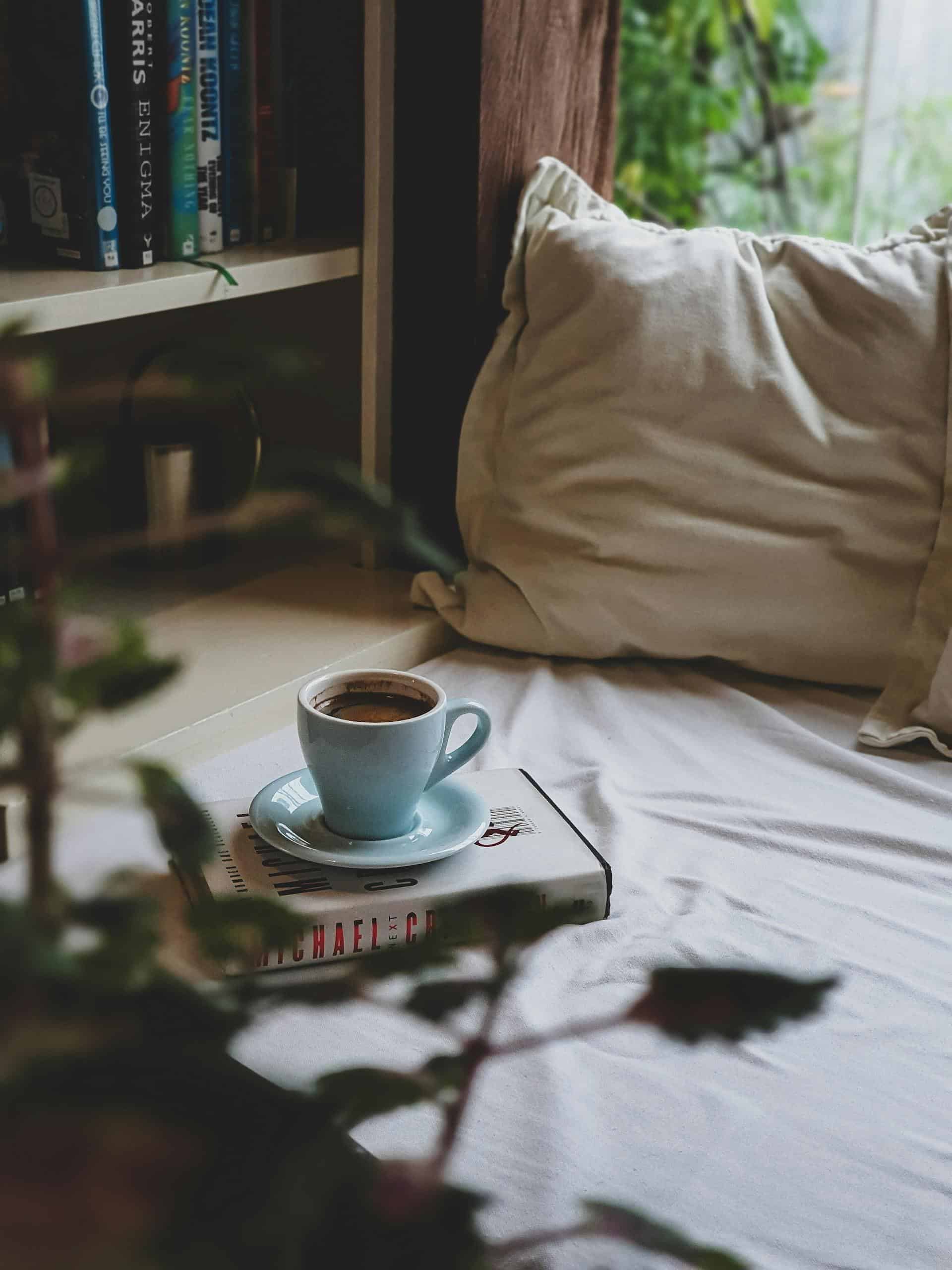
Ask ten people to describe a cozy space and you’ll get ten completely different answers. For one person it’s a sunlit reading nook with a steaming cup of tea. For another it’s a candlelit corner with soft music and nothing demanding their attention. For someone else it’s a minimal, uncluttered space where the absence of stuff is what creates the calm.
This is important, because one of the biggest obstacles to creating a relaxing retreat at home is the assumption that cozy has a single look. It doesn’t. What cozy spaces share isn’t an aesthetic — it’s a feeling. A sense of safety, warmth, and permission to slow down.
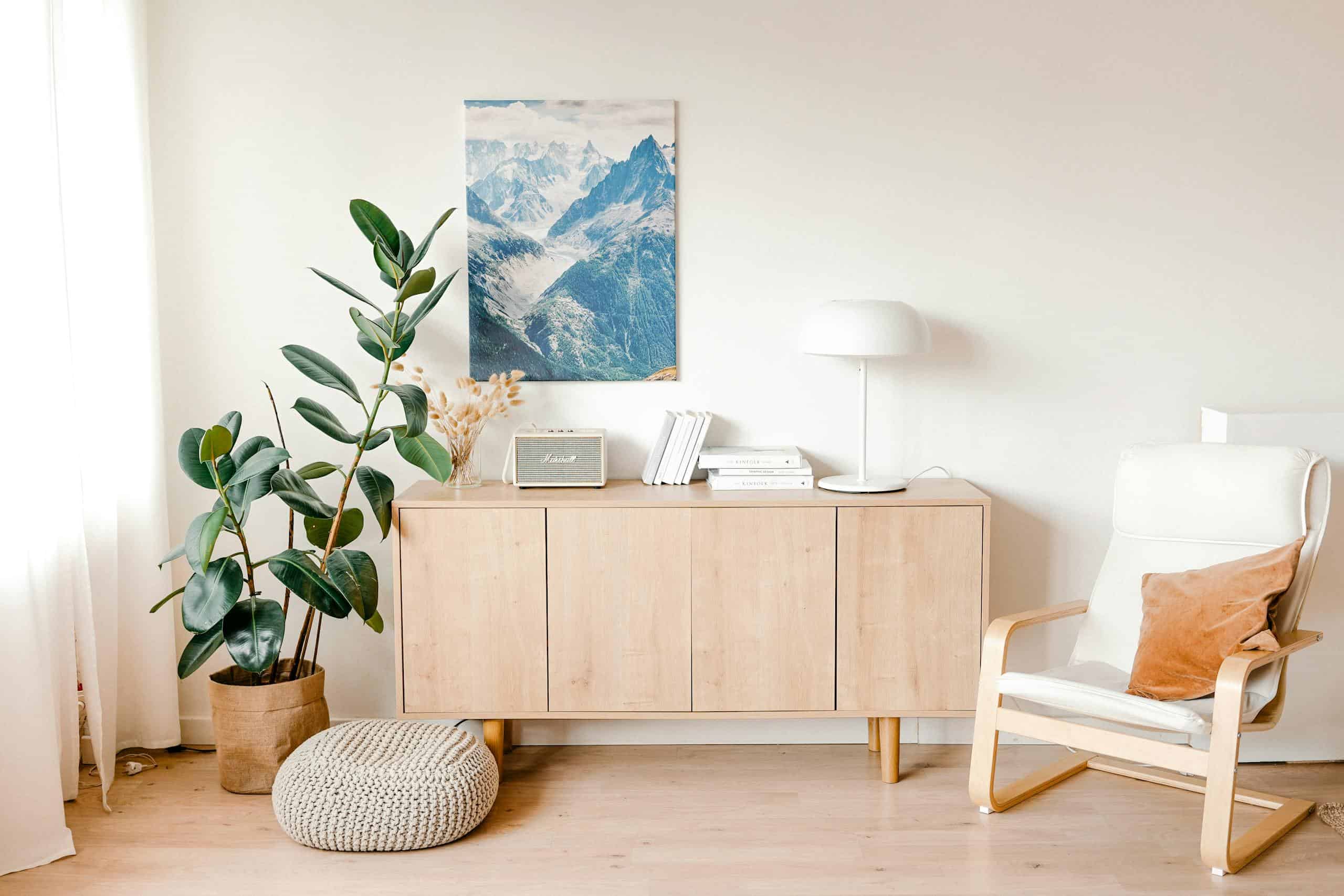
The Danish concept of Hygge (pronounced hoo-ga) captures this beautifully. Hygge is less about how a space looks and more about how it makes you feel — present, unhurried, and at ease. It’s the atmosphere of a space rather than its design credentials. And while Hygge has its own visual language (think warm lighting, natural textures, and simple pleasures), its deeper message is universal: a cozy space is one that gives you permission to exhale.

It’s also worth drawing a clear distinction between cozy and cluttered. Warmth and visual noise are not the same thing, and for many of us — particularly those of us who find it difficult to relax when our environment feels chaotic — clutter is the enemy of calm. A cozy space doesn’t need to be filled with things. It needs to be filled with the right things.
If you’re like me, your environment profoundly affects your ability to relax. When I walk into a cluttered room I immediately feel my stress levels rising. On the other hand, spending some time in a calm space has both a relaxing and restorative effect on me, sometimes dramatically shifting my mood and increasing my energy levels.
The beauty of this is that once you understand what cozy means to you specifically, creating your retreat becomes much simpler. You stop scrolling through home décor inspiration on Pinterest and start making intentional choices that reflect your own version of restoration. Understanding what cozy means to you is the first step. The next is understanding why certain spaces affect you the way they do — and the science here is fascinating.
The Sensory Elements That Signal Safety and Calm to Your Nervous System
There’s a reason you feel more at ease in some spaces than others — and it isn’t just personal preference. Your nervous system is constantly scanning your environment for signals of safety or threat, a process researchers call neuroception. When your surroundings feel chaotic or visually overwhelming, your brain registers this as a stressor, triggering your sympathetic nervous system — the same “fight or flight” response activated by genuine danger. When your environment feels calm and ordered, your parasympathetic nervous system — the “rest and digest” response — can finally do its job.
The research on this is particularly striking for women. A study of dual-income couples found that women with higher “stressful home” scores had flatter diurnal cortisol slopes— a pattern associated with adverse health outcomes — while women with higher “restorative home” scores showed healthier cortisol patterns and decreased depressed mood over the course of the day. In other words, the state of your home environment isn’t just about aesthetics. It has a measurable impact on your stress hormones and your mood.
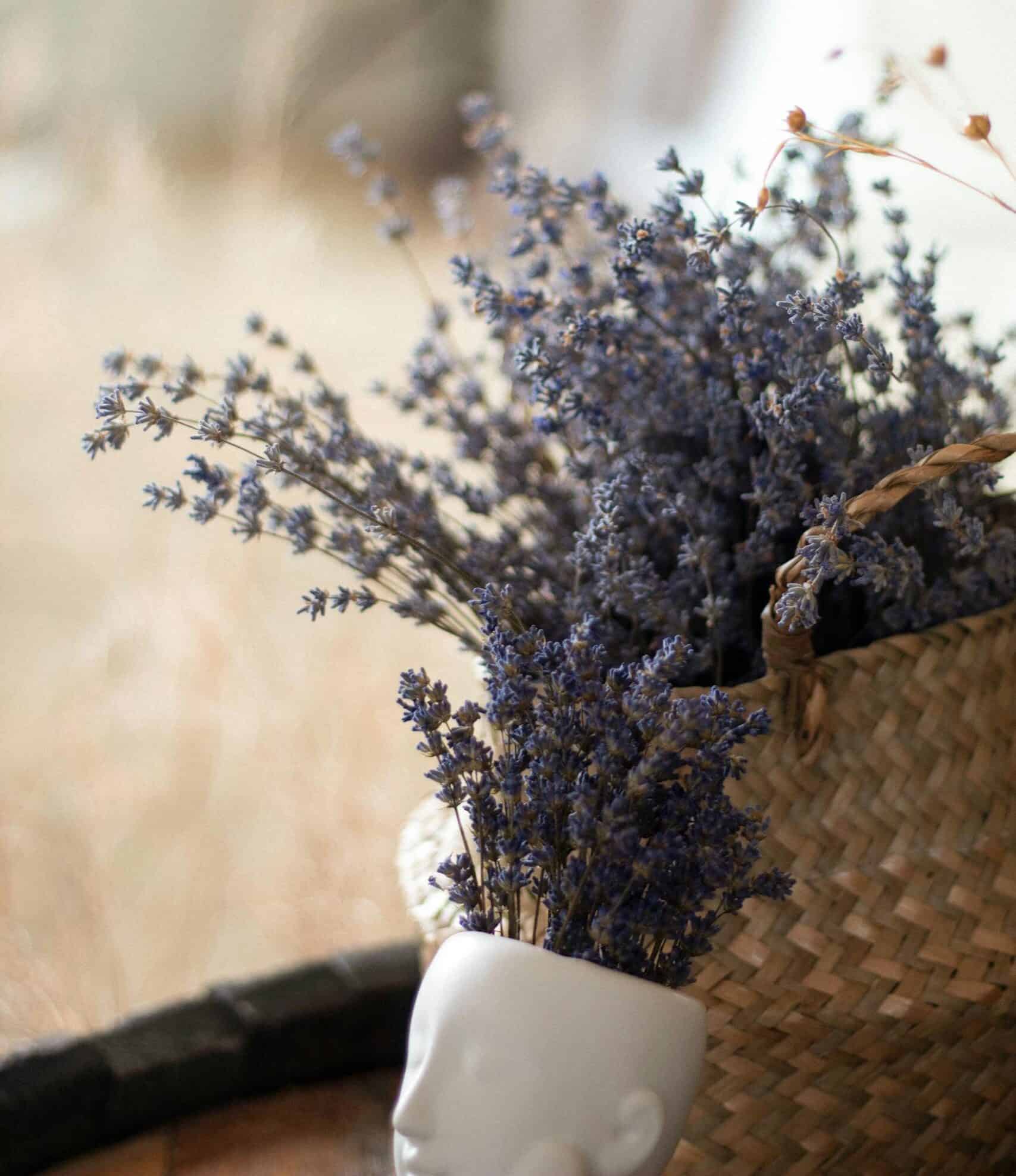
Visual clutter and harsh lighting can signal danger or unfinished tasks, keeping your brain on edge — even when you’re consciously trying to relax. Your nervous system responds to sensory input long before your conscious mind catches up. This means that the textures, light levels, sounds, and scents in your space are quietly communicating with your body every moment you’re in it.

The good news is that this works both ways. Nature elements like plants, wood textures, and natural light lower cortisol and support recovery from stress. Small, intentional sensory shifts — softer lighting, a calming scent, the texture of a warm blanket — send powerful cues of safety to your nervous system. You don’t need to overhaul the room. You need to change what your senses are picking up.
Did You Know?
The connection between your home environment and your stress hormones is well-documented — and it affects women more than most of us realise. Research on dual-income couples found that women living in cluttered, stressful homes had higher cortisol levels and heightened depression symptoms — even when factors like personality and marital satisfaction were accounted for. A calmer space isn’t a luxury. For your nervous system, it’s a necessity.
The Home Décor Ideas That Create Instant Warmth and Calm
Once you understand that your nervous system is responding to your environment moment by moment, home decorating stops feeling like an aesthetic exercise and starts feeling like an act of self-care. The good news is that the elements that have the greatest impact on how a space feels are often the most accessible — and the most affordable.
Lighting is the single most powerful atmospheric lever in any room. Harsh overhead lighting keeps your nervous system alert — it mimics the intensity of daylight and signals that it’s time to be productive. Swapping it for warm, layered lighting transforms the entire mood of a space. Think table lamps and floor lamps with warm-toned bulbs, a string of soft fairy lights, or the gentle flicker of candles. The goal is to create pools of soft light rather than flooding the room with brightness. Even a single lamp switched on in the corner of a room in the evening can shift the atmosphere dramatically.
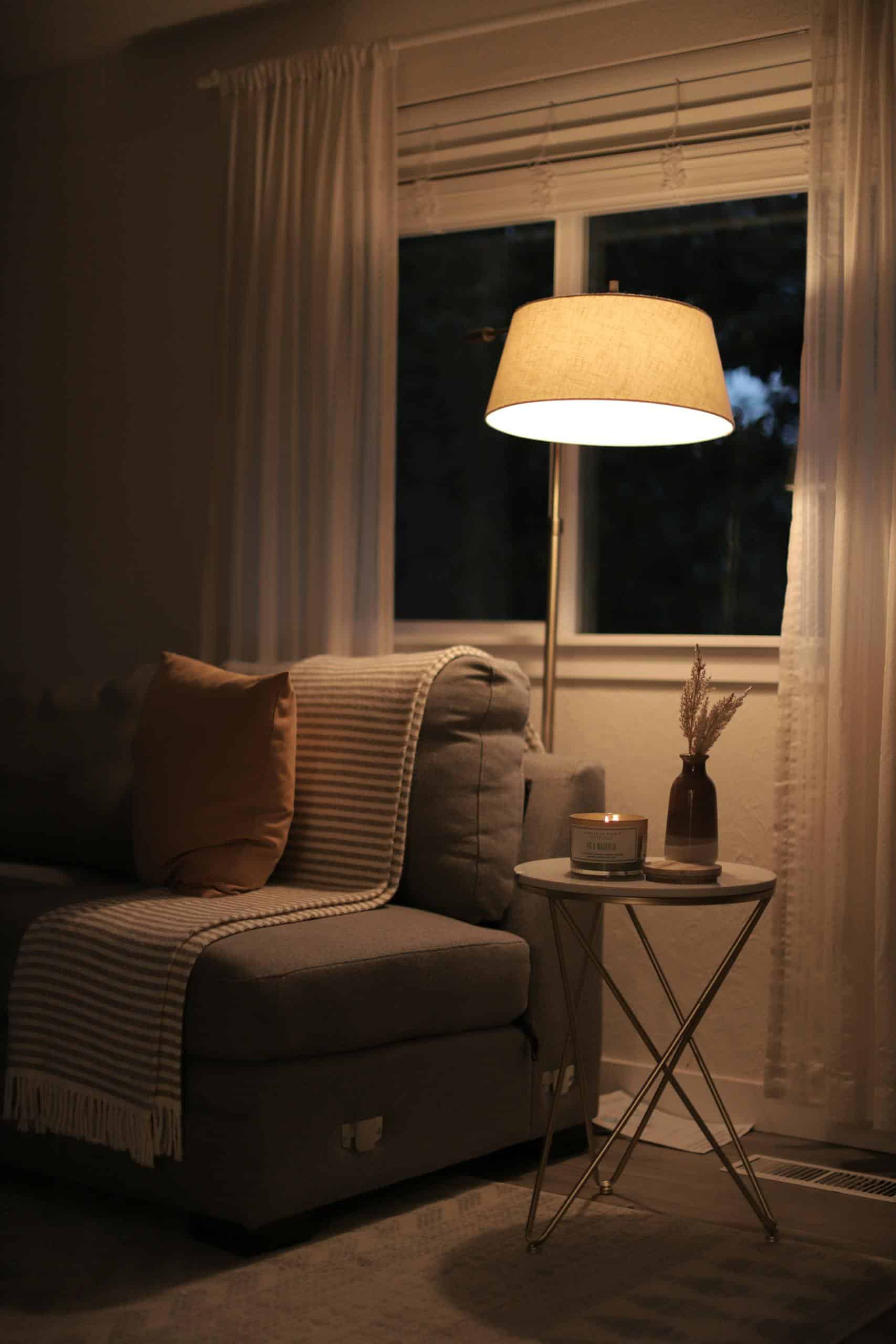
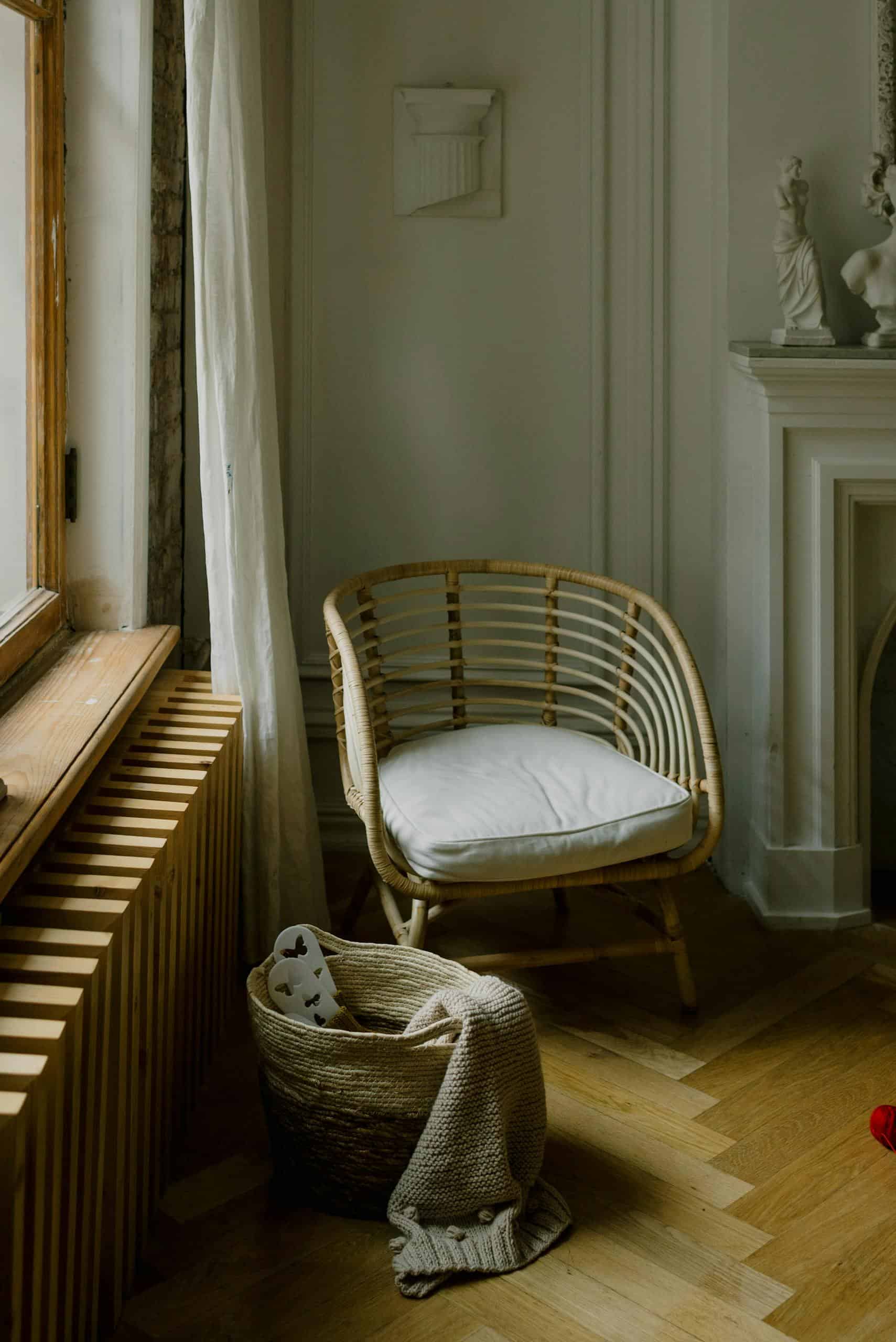
Soft furnishings are your next most impactful tool — and one of the most tactile ways to signal comfort to your nervous system. A chunky knit throw draped over a chair, a generous cushion, a soft rug underfoot — these elements engage your sense of touch in a way that communicates warmth and safety before you’ve even consciously registered them. When choosing soft furnishings for your retreat corner, prioritise natural materials like cotton, linen, wool, and faux fur. They tend to feel more grounding than synthetic alternatives, and they layer beautifully together without looking cluttered.
Colour works more subtly but just as powerfully. Cool, muted tones — soft greens, warm whites, dusty blues, and earthy neutrals — are consistently associated with calm and restoration. You don’t need to repaint your walls to harness this. Introducing these tones through cushions, throws, a plant, or even a piece of artwork can shift the colour temperature of a corner without touching the rest of the room.
Finally, don’t underestimate scent. Lavender, chamomile, sandalwood, and cedarwood have all been shown to reduce anxiety and promote relaxation. A diffuser, a scented candle, or even a small bunch of dried lavender can add an invisible but powerful layer of calm to your retreat space.
Quick wins – the fastest atmosphere changes you can make today:
- Switch off your overhead light this evening and use lamps only
- Add one soft throw or cushion in a calming, natural tone
- Place a plant or a small natural element (a stone, a piece of driftwood, a pinecone) in your retreat corner
- Light a candle or add a few drops of lavender oil to a diffuser
- Remove three things from your retreat area that don’t belong there
Simple, Budget-Friendly Changes You Can Make This Weekend
Creating your retreat doesn’t require shopping for new things — at least not yet. The most effective first step is a simple space audit: walk through your home with fresh eyes and identify one corner or spot that has the most potential to become your retreat. It doesn’t need to be large. A single armchair by a window, a reading nook at the end of a hallway, or a corner of your bedroom can be enough.
Once you’ve chosen your spot, work through these four categories:
Clear it. Remove everything from the space that doesn’t belong there. Clutter is the enemy of calm, and an edited space will immediately feel more intentional.
Layer the light. Add or reposition a lamp to create soft, warm lighting in your chosen spot. This single change will do more for the atmosphere than almost anything else.
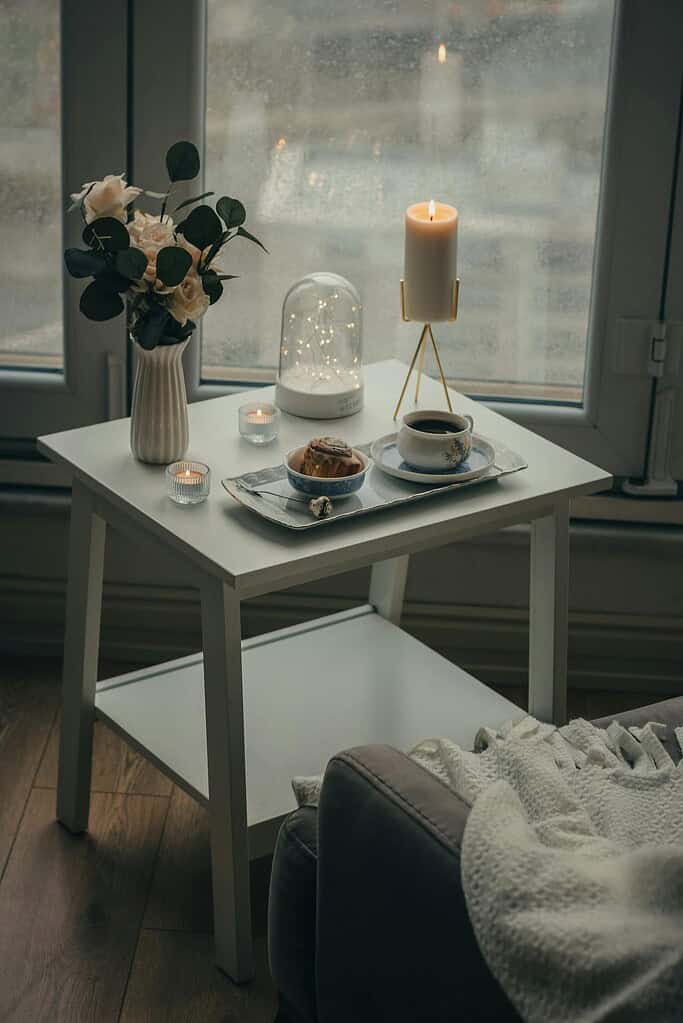
Add texture. Bring in one or two soft furnishings — a throw, a cushion, a small rug — in natural materials and calming tones. Check what you already own before buying anything new.
Personalise it. Add one element that brings you genuine joy — a plant, a candle, a favourite book, a small object with meaning. This is what transforms a styled corner into your corner.
COZY CORNER CHECKLIST
Use this checklist to build your retreat step by step:
☐ Chosen my retreat spot
☐ Cleared the space of clutter and items that don’t belong
☐ Added soft, warm lighting (lamp, candles, or fairy lights)
☐ Brought in at least one soft furnishing in a natural material
☐ Introduced a calming colour tone through a cushion, throw, or plant
☐ Added a calming scent (candle, diffuser, or dried botanicals)
☐ Placed one personal item that brings me joy or comfort
☐ Removed distractions (screens, work items, anything stress-inducing)
Want the full printable version of this checklist? Sign up here to download your free Cozy Corner Creation Guide.
The checklist gives you the structure. What it can’t tell you is what your retreat needs to feel like — and that part is entirely yours to define.
Personalising Your Retreat So It Reflects What Rest Means to You
The most beautifully styled corner in the world won’t restore you if it doesn’t reflect your version of rest. Before you finalise your space, take a few quiet moments to consider these questions:
What does restoration actually feel like for you? Some of us restore through stillness — reading, journaling, meditating. Others restore through gentle sensory pleasure — music, a warm drink, the smell of a candle. Knowing which you are shapes every choice you make for your space.

What does your retreat need to contain? A good book and a side table for your tea? A journal and soft music? A yoga mat and nothing else? Let the answer guide what stays in your space and what doesn’t belong there.
What does it need to be free of? Screens, work reminders, other people’s belongings? Defining what your retreat excludes is just as important as defining what it includes.
There are no right answers here — only yours.
Your Sanctuary Is Waiting
Creating a space that genuinely restores you isn’t an indulgence — it’s a necessity. And as we’ve explored, it doesn’t require a renovation, a big budget, or a free month to make it happen. It requires intention, a little time, and the belief that you deserve a corner of your own home that exists purely for your wellbeing.
Start small. Choose your spot this weekend. Work through the checklist. And allow yourself to actually use the space you create — without guilt, without rushing, without earning it first.Balance is a journey, not a destination. Your retreat is where the journey begins.
Disclosure: The information provided in this blog post is for informational and educational purposes only. It should not be taken as professional advice of any kind or used as a substitute for such. Readers are encouraged to conduct their own research and always consult with qualified professionals before making any decisions based on the information provided in this blog post or on this website. This blog is supported by readers like you. When you purchase through affiliate links I provide, I may earn a small commission at no extra cost to you. For more comprehensive information, please refer to our Disclaimer page.
Continue Reading
-
How to Do a Time Audit: A Three-Day Guide to Finding Where Your Time Really Goes
Three days of writing down what you do can change every schedule you make afterwards. Learn how to do a time audit and see where your time really goes.
-
13 Signs Your Hormones Are Shifting in Your 40s (and What Each One Actually Means)
13 signs of hormonal changes in your 40s — from fatigue and brain fog to heart palpitations — decoded one by one, with a next step for each.
-
High-Protein, Plant-Based, and Over 40: The Breakfast Rebuild for Hormone Balance
The breakfast that worked for years can stop delivering after 40. Here’s the plant-based, high-protein rebuild that actually keeps up with hormone shifts.
-
Sleep Hygiene for Hormone Balance: The Perimenopause Guide to Actually Falling (and Staying) Asleep
That sound sleep you took for granted for decades quietly exited somewhere in your 40s — and no amount of chamomile tea has brought it back.