
Detox Your Home: Easy Steps to Create a Healthier Living Environment
Your home doesn’t need to be perfect to be healthy. Learn the simple, affordable swaps that make a real difference — starting today.
Please note that this blog post provides general information only and does not constitute professional advice. Should you make a purchase through an affiliate link in this post, I may earn a small commission at no extra cost to you.
Most women who decide to detox their home either spend a fortune trying to replace everything at once, or feel so overwhelmed they do nothing at all. There is a third option — and it starts with a single afternoon and costs nothing.
If you’ve found yourself anxious about what might be lurking in your cleaning products, your cookware, or the air your family breathes every day, you’re not alone — and you’re not overreacting. The research is clear that many common household products contain chemicals linked to real health concerns. But here’s what the more alarming corners of the internet won’t tell you: you don’t need to throw everything out and start from scratch to make a meaningful difference.
Here’s what we’ll cover in this article:
- What “toxic” actually means — and why an imperfect home is not a dangerous one
- The three rooms where chemical exposure is highest — and the specific culprits to know about
- Practical, affordable swaps you can start making today, including some that cost nothing at all
- How to read product labels without needing a chemistry degree
- A simple, sustainable approach to building healthier habits over time — plus a free 30-day plan to guide you
A non-toxic home isn’t a destination you arrive at — it’s a direction you choose to move in, one small step at a time.
The difference between a truly toxic home and an imperfect one — and why it matters for your health
The word “toxic” gets used a lot when it comes to our homes — and understandably so. Research from the US EPA shows that indoor air can contain pollutants at concentrations 2 to 5 times higher than outdoor air, with some volatile organic compounds — the gases released by everyday household products — reaching up to ten times outdoor levels. For women who care about their family’s health, that kind of statistic can feel deeply unsettling. US EPA Indoor Air Quality US EPA Volatile Organic Compounds
A chemical-free home is absolutely worth working toward — and the encouraging truth is that you don’t need to get there overnight to start seeing real benefits. Every swap you make reduces your family’s overall exposure, and those reductions add up. The all-or-nothing approach to home detoxing is not only exhausting, it’s the reason most of us never start. We imagine we need to replace every cleaning product, every piece of cookware, and every candle simultaneously — and faced with that mountain, we close the browser tab and carry on as before.
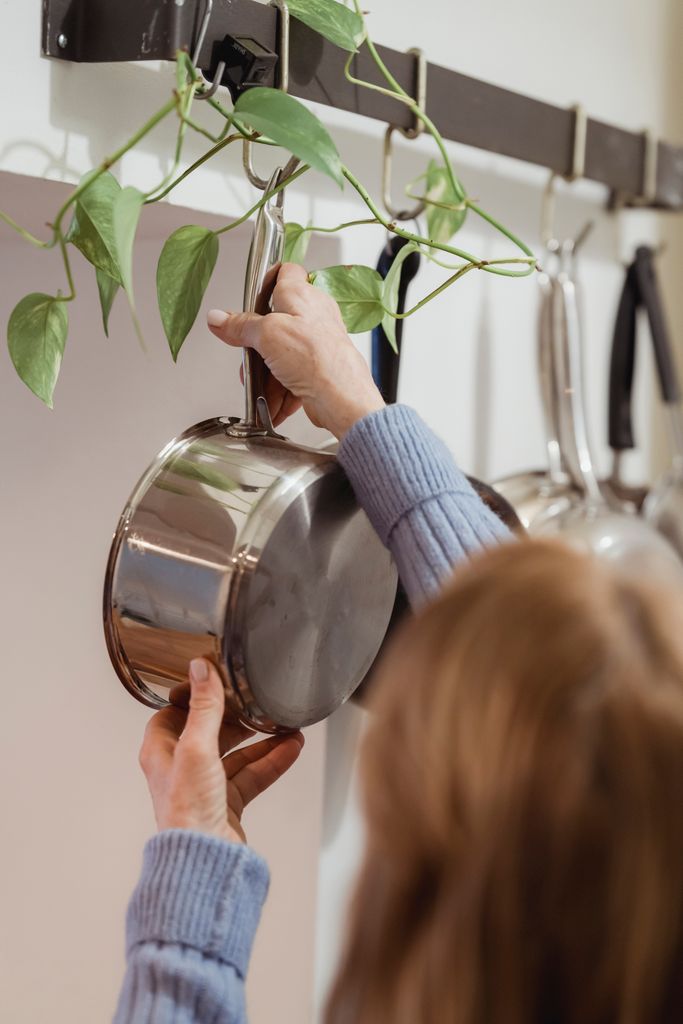
The reality is that our bodies are remarkably resilient, and reducing your overall toxic load — even gradually — has real, cumulative health benefits. The goal isn’t perfection. It’s progress. And as we’ll explore in this article, some of the most impactful changes you can make cost nothing at all.
The Biggest Myths About Home Detoxing
Myth 1: Natural or eco-friendly products are always safer “Natural” and “eco-friendly” are marketing terms, not safety certifications. Always check the actual ingredient list regardless of what the front of the pack claims.
Myth 2: If it smells clean, it is clean Many conventional cleaning products use synthetic fragrances to create the impression of cleanliness — but that fresh scent can contain some of the most problematic chemicals in your home.
Myth 3: New homes are safer than old ones Newer homes can actually have higher VOC levels due to off-gassing from fresh paint, new flooring, adhesives, and furniture — particularly in the first few years after construction or renovation.
Myth 4: You need specialist products to detox your home White vinegar, hydrogen peroxide, and bicarbonate of soda handle the vast majority of everyday cleaning tasks — at a fraction of the cost of specialist “non-toxic” cleaning ranges.
The three rooms where toxin exposure is highest
Not all rooms carry equal risk when it comes to chemical exposure, and knowing where to focus first makes the whole process far less overwhelming. Three rooms consistently stand out.
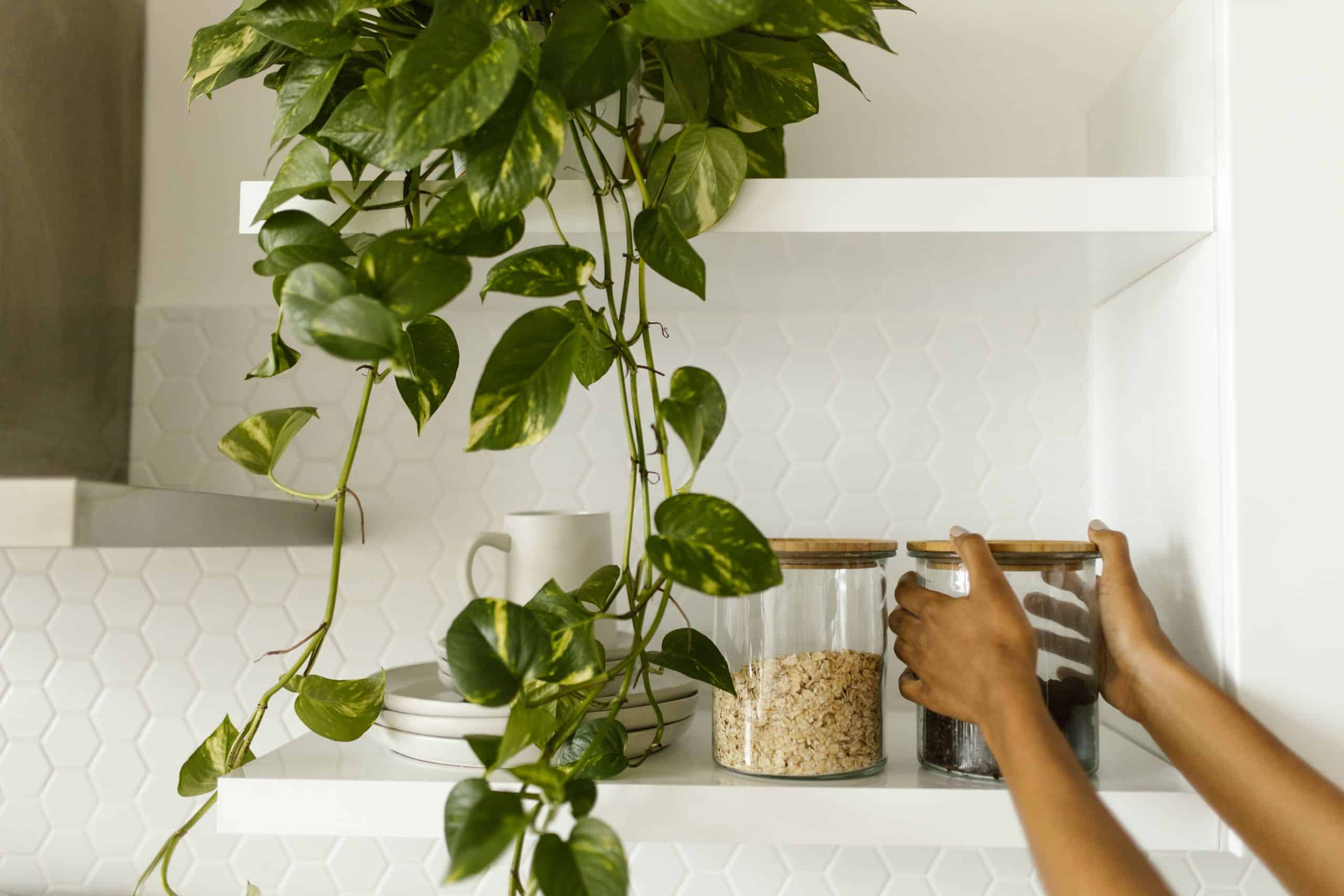
The kitchen is where chemical exposure tends to be highest — and where the sources are often the most surprising. The American Lung Association identifies the kitchen as a significant source of VOCs, from cleaning supplies and gas stoves to the fumes produced when frying food. Add plastic food storage containers, non-stick cookware, and synthetic sponges to the mix, and the room we associate most with nourishing our families becomes the one most worth our attention. American Lung Association

The bathroom is a close second. It combines heat, humidity, and close-contact products in a small, often poorly ventilated space — a combination that amplifies chemical exposure from everything in the room. Conventional personal care products including shampoo, body wash, deodorant, and moisturiser can contain parabens, phthalates, and formaldehyde-releasing preservatives, applied directly to warm, wet skin. NonToxicLab
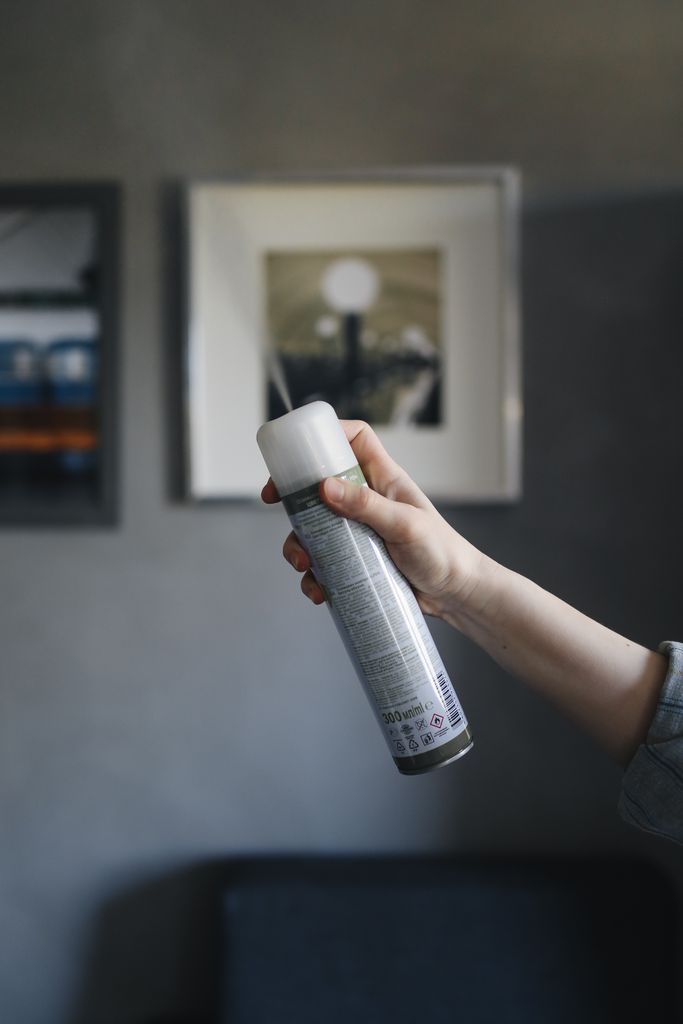
The living room is the less obvious culprit, but worth knowing about. Synthetic candles, plug-in air fresheners, and fabric sprays are among the most common sources of VOCs in the room where we go to rest and unwind — and they’re also among the easiest to replace. Carpets, flooring, and wall paints can also release compounds over time, particularly in newer or recently renovated homes, but these are longer-term considerations rather than immediate action items. Study Finds
The good news is that each of these rooms has simple, affordable solutions — and we’ll get to those shortly.
Quick Wins Per Room
You don’t need to tackle all three rooms at once. Pick the one that feels most manageable today and start there.
Kitchen Open the window while cooking to reduce VOC buildup from frying and gas hobs. Switch your washing-up liquid to a fragrance-free, paraben-free alternative.
Bathroom Pick the one product you use most — shampoo, body wash, or moisturiser — and find a cleaner alternative. Check it first on ewg.org/skindeep before you buy.
Living room Swap one synthetic candle for a beeswax or soy alternative, and ditch one plug-in air freshener. Open windows for 10 minutes daily to flush out stale air.
Everyday swaps for a chemical-free home — starting with what costs nothing
The most empowering thing to know about detoxing your home is that the highest-impact changes are often the simplest — and the least expensive. Here’s where to start.
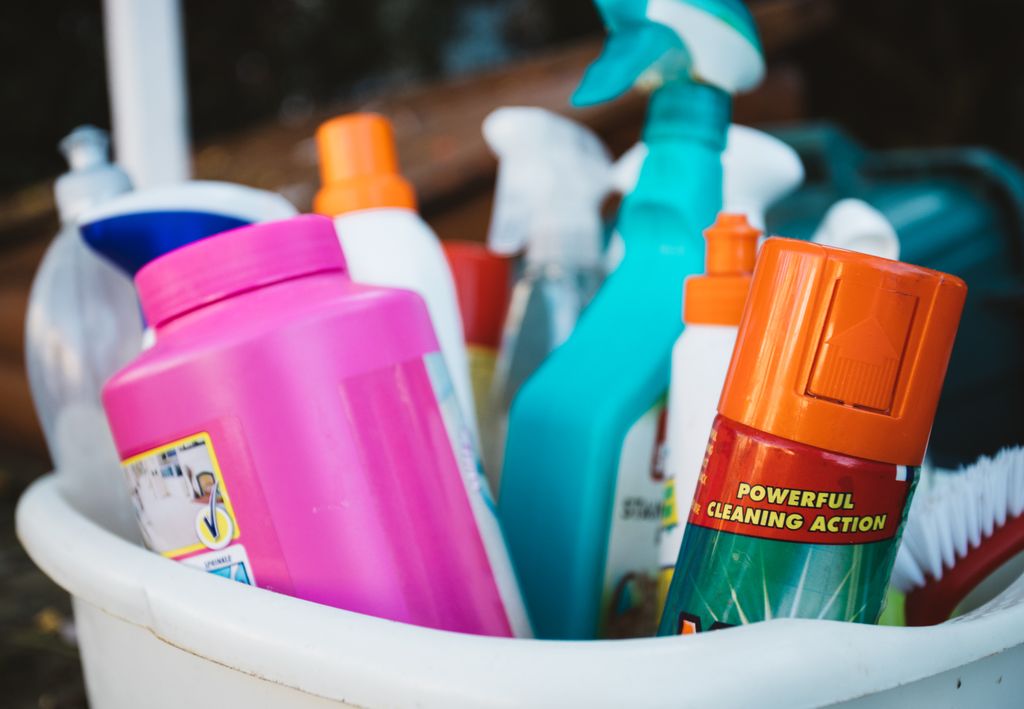
Swap your cleaning products first. The bottles under your kitchen sink are among the easiest and most affordable things to replace. White vinegar diluted with water is one of the most effective natural cleaning products you can make at home. Hydrogen peroxide is a natural disinfectant that works well in bathrooms and on kitchen surfaces. Bicarbonate of soda tackles grease, odours, and light scrubbing jobs. Between them, these three ingredients handle the vast majority of everyday cleaning tasks — at a fraction of the cost of commercial products.
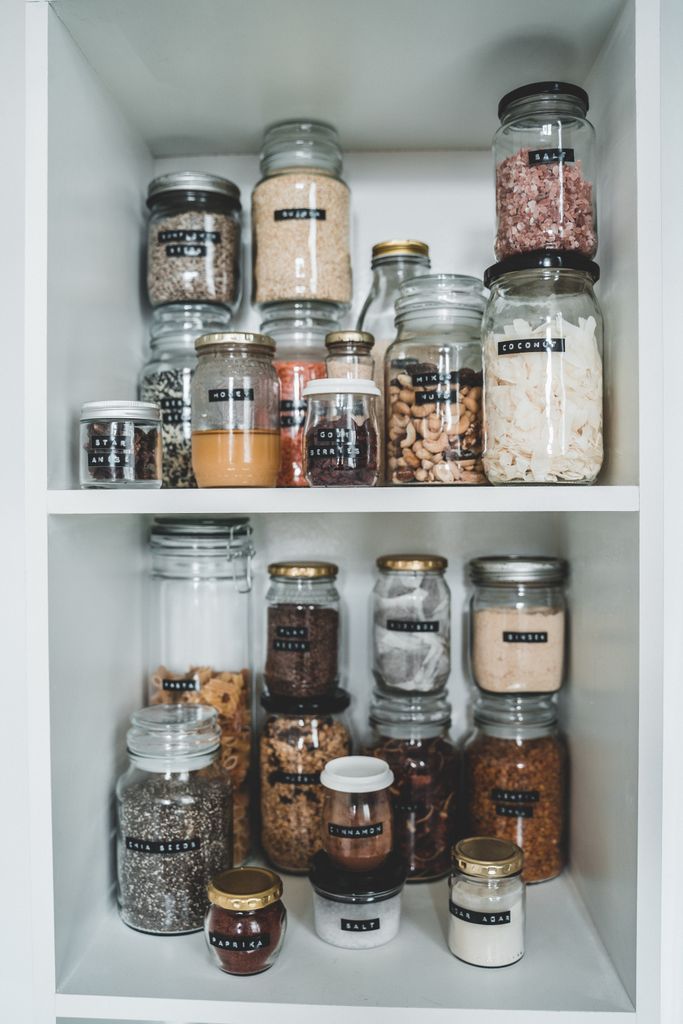
Tackle your food storage gradually. This is one area where the research gives us a clear steer. Studies suggest that plastic containers can release millions of microplastic and nanoplastic particles during a single microwave session, and glass has been found to cause no microplastic contamination when used for food storage. The Environmental Working Group recommends glass, stainless steel, and ceramic as the safest alternatives for food storage. FoodFacts EWG
When I first learned about the risks of storing food in plastic containers, I didn’t throw everything out at once. I started covering ceramic bowls with plastic wrap, making sure the wrap never touched the food itself. Then I began replacing my plastic containers with glass ones — one or two a month, as the budget allowed. It was a gradual process that took the better part of a year, and when I run out of glass containers I can still use ceramic bowls, so except for the occasional picnic or packed lunch, there is hardly ever a need to use plastic containers. Center for Research on Environmental Chemicals Moms Clean Air Force
In the living room, some of the simplest swaps involve the things we use to make our homes smell pleasant. Replacing synthetic candles with beeswax or soy alternatives, swapping plug-in air fresheners for an essential oil diffuser, and simply opening windows regularly to flush out stale air are all free or low-cost changes that make a meaningful difference to your indoor air quality.
DIY Cleaning Replacements: Three Ingredients That Do It All
You don’t need a cupboard full of specialist products to keep your home clean. These three ingredients handle the vast majority of everyday cleaning tasks — cheaply, effectively, and without the chemical load.
White vinegar A natural descaler and disinfectant that works beautifully on limescale, taps, and stainless steel. Add a small amount to your washing machine’s rinse cycle as a natural fabric softener and deodoriser.
Hydrogen peroxide (3% solution) An effective natural disinfectant for kitchen and bathroom surfaces. Spray directly, leave for a few minutes, then wipe clean.
Essential oils or fresh lemon Add a few drops of your favourite essential oil — tea tree, lavender, or eucalyptus work well — or a squeeze of fresh lemon to your cleaning spray to give it a natural, pleasant scent.
A simple all-purpose spray: mix one part white vinegar with one part water in a spray bottle and add a few drops of essential oil or a squeeze of lemon.
Note: avoid using vinegar on natural stone surfaces like marble or granite, as the acidity can cause damage.
How to read labels and spot the ingredients worth avoiding
One of the most useful skills you can develop as you work toward a healthier home is the ability to scan a product label quickly and know what you’re actually looking at. The good news is that you don’t need to memorise a chemistry textbook — you just need to know a handful of names worth pausing on.
Fragrance (or “parfum”) is the single most important one to know. Synthetic fragrances commonly contain phthalates — endocrine disruptors that can interfere with hormone function and have been linked to reproductive issues. The word “fragrance” on a label can legally cover dozens of undisclosed chemicals, making it one of the least transparent ingredients in both cleaning and personal care products. The Wellness Way
Parabens appear in everything from shampoo to moisturiser as preservatives. They are linked to hormone disruption, reproductive toxicity, and skin irritation — look for any ingredient ending in “-paraben” such as methylparaben or propylparaben. Ethical Consumer
Formaldehyde and formaldehyde-releasing preservatives are worth knowing because they don’t always appear under that name. Formaldehyde is a known carcinogen, and breathing it as a VOC can irritate the eyes, nose, and throat, cause difficulty breathing, and damage the central nervous system. Look for DMDM hydantoin, quaternium-15, or imidazolidinyl urea on labels — these all release formaldehyde over time. Clean People
Ammonia is a common ingredient in glass and surface cleaners. Products containing ammonia should never be mixed with bleach — the gases produced can lead to chronic breathing problems and in extreme cases can be fatal. American Lung Association
“Natural,” “green,” or “eco-friendly” aren’t ingredients, but they are the most common labelling mistake to be aware of. Even products advertised as “green” or “natural” may contain ingredients that cause health problems — always check the actual ingredient list rather than relying on front-of-pack claims. American Lung Association
A practical shortcut: the Environmental Working Group’s free database at ewg.org/cleaners rates thousands of household products by ingredient safety. Bookmark it on your phone and use it next time you’re standing in the cleaning aisle.
Building a non-toxic home: simple, sustainable habits that stick
A truly chemical-free home is a worthy goal, but you don’t need to get there overnight for it to matter. The small, intentional steps you take toward toxin-free living are what counts.

Swapping one cleaning product, replacing a few plastic containers, opening windows more — these are simple things we can all do that build momentum slowly, without the pressure of perfection. And each small change makes the next one feel less overwhelming.
Your body and your home will benefit from progress, not from waiting until you can do it all. Research shows that switching to safer products — even just a few of them — can rapidly reduce your body’s burden of hormone-disrupting chemicals, and that reducing the use of endocrine-disrupting compounds in household products has the potential to substantially lower overall chemical exposure. Small changes, made consistently, compound into real results over time. US Right to Know Silent Spring Institute
If you’re not sure where to begin, start with the room you spend the most time in, or the single swap that feels most manageable today. Come back to the rest when you’re ready.
Give Yourself Grace
Progress looks different every week. Some weeks you’ll swap three products and feel unstoppable. Others you’ll simply open a window and call it a win. Both count.
The most important thing isn’t how fast you move — it’s that you keep moving. A chemical-free home isn’t built in a weekend; it’s built in the quiet, consistent choices you make over months and years.
Disclosure: The information provided in this blog post is for informational and educational purposes only. It should not be taken as professional advice of any kind or used as a substitute for such. Readers are encouraged to conduct their own research and always consult with qualified professionals before making any decisions based on the information provided in this blog post or on this website. This blog is supported by readers like you. When you purchase through affiliate links I provide, I may earn a small commission at no extra cost to you. For more comprehensive information, please refer to our Disclaimer page.

Continue Reading
-
How to Do a Time Audit: A Three-Day Guide to Finding Where Your Time Really Goes
Three days of writing down what you do can change every schedule you make afterwards. Learn how to do a time audit and see where your time really goes.
-
13 Signs Your Hormones Are Shifting in Your 40s (and What Each One Actually Means)
13 signs of hormonal changes in your 40s — from fatigue and brain fog to heart palpitations — decoded one by one, with a next step for each.
-
High-Protein, Plant-Based, and Over 40: The Breakfast Rebuild for Hormone Balance
The breakfast that worked for years can stop delivering after 40. Here’s the plant-based, high-protein rebuild that actually keeps up with hormone shifts.
-
Sleep Hygiene for Hormone Balance: The Perimenopause Guide to Actually Falling (and Staying) Asleep
That sound sleep you took for granted for decades quietly exited somewhere in your 40s — and no amount of chamomile tea has brought it back.